
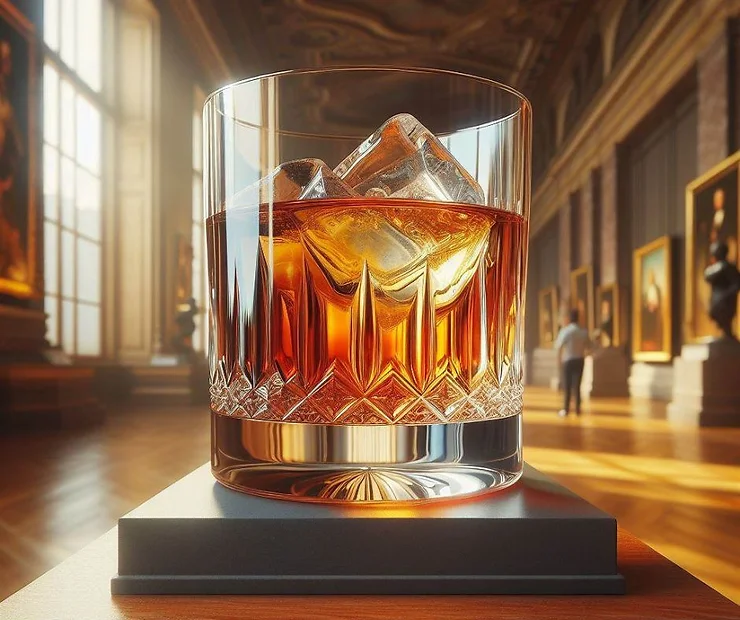
The old fashioned is one of the most iconic and enduring cocktails, still widely enjoyed today at bars across the world. This simple yet bold drink features whiskey, bitters, sugar, and citrus garnish. Sipped slowly, it provides a rich interplay of flavors that any whiskey enthusiast can appreciate, and it provides the perfect drawing board for a high-quality bourbon to express its flavors.
While the old fashioned has graced cocktail menus for well over a century, its exact origins remain shrouded in some mystery. Several stories claim to trace its invention and original form. This post will explore the fascinating history and evolution of the old fashioned cocktail, covering its disputed roots, early recipes, rise alongside American bourbon whiskey, iterations during Prohibition, modern revival and variations, and enduring popularity today.
Exact Origins Are Unclear
The exact origins of the old fashioned cocktail are unclear, with multiple legends around who first mixed this iconic drink. While it’s impossible to definitively pinpoint the original inventor, references to the old fashioned first appeared in print in the 1880s.
An early story credits the cocktail’s creation to a bartender at the Pendennis Club in Louisville, Kentucky in honor of Colonel James E. Pepper, a prominent bourbon distiller. According to this legend, the bartender added bourbon, simple syrup, bitters, and an orange slice to please the Colonel. Other tales suggest the old fashioned originated at the Waldorf Astoria Hotel in New York City.
The earliest verified recipes come from the 1880s as well, indicating the old fashioned rose to prominence as a bourbon cocktail in that decade. Before Prohibition, the old fashioned was simply called the “whiskey cocktail.” While its precise inventor may never be known, the old fashioned clearly evolved from the traditional whiskey drinks of the late 1800s into a refined, celebrated bourbon cocktail.
Early Recipes and Forms
The earliest known recipes for the Old Fashioned cocktail appeared in the late 1800s, originally made with American whiskey as the base spirit along with bitters, sugar, and water. Back then, sugar cubes were used instead of simple syrup.
One of the first published recipes for the Old Fashioned appeared in the 1887 edition of Jerry Thomas’ Bartender’s Guide, which called for:
- A small lump of sugar
- A dash of plain water
- Some bitters
- A teaspoonful of rye whiskey
- A piece of lemon peel
This early recipe shows the core elements – whiskey, sugar, bitters and water. The sugar helps balance and mellow the bite of the whiskey and bitters.
Around the same time, other early recipes used variations like a lemon twist, orange slices, cherry garnish or even a splash of club soda. The ratios and exact ingredients evolved, but whiskey remained the standard base spirit. Bourbon eventually became the popular choice in America, while rye whiskey was originally used in the late 1800s.
So while the early forms show some variation, the core essence involved whiskey, sugar, bitters and water. The Old Fashioned was taking shape as a strong, spirit-forward yet balanced cocktail.
How did the Old Fashioned Get Its Name?
As cocktails grew in popularity throughout the 20th century, bartenders began adding more and more varied ingredients to cocktails. People who preferred the original and basic recipe of spirit, sugar, bitters, and water would ask for a cocktail made in the “old fashioned” way. This distinguished it from the newer cocktails that had additional ingredients like liqueurs, fruit juices, or egg whites. The old fashioned became associated with whiskey, especially rye or bourbon, as the base spirit of choice.
Rise of Bourbon
Bourbon emerged as the preferred whiskey for Old Fashioneds during the late 1800s. Up until this point, the type of whiskey used was less defined, with rye and Irish whiskeys both common choices. But America’s native spirit, bourbon, began taking center stage, especially in the cocktail’s popularity across the southern United States.
Bourbon brought a sweetness and smoothness that complemented the bitters and sugar well. Its high corn content gave it a fuller body compared to the drier rye or Irish whiskeys. The use of charred new oak barrels also lent pleasing vanilla and caramel notes. As bourbon production boomed in states like Kentucky, Tennessee, and Virginia, it naturally found its way into more Old Fashioned recipes.
The Old Fashioned joined the Mint Julep and Sazerac as archetypal bourbon cocktails icons of the South. Bourbon simply worked beautifully in the drink – its lush flavors danced elegantly with the sweetness and bitters. To this day, bourbon remains strongly tied to the identity of the Old Fashioned. Use of other whiskeys has fallen out of favor in most parts of America. A well-made bourbon Old Fashioned embodies a classic taste of the South.
History Of The Old Fashioned During Prohibition
The Prohibition Era in the United States from 1920 to 1933 led to major changes for the Old Fashioned. With alcohol sales banned, the cocktail continued in secret speakeasies hidden from the law. The illegal nature of speakeasies meant supplies were constrained, leading bartenders to experiment with different recipes.
Rye whiskey was largely replaced by the more available moonshine, corn whiskey, and bourbon. With no ice available, the Old Fashioned transformed into a “dry” cocktail without being chilled or diluted. Syrups and fruits were omitted to simplify recipes. The cocktail also became sweeter to mask the taste of poor homemade liquor.
This improvisation resulted in looser definitions of the classic Old Fashioned. Customers ordering an “Old Fashioned” might receive something quite different than the original recipe. The versatility and variability of the drink increased during Prohibition, setting the stage for new variations to emerge.
The Vodka Old Fashioned
During the late 1960s and 70s, vodka surpassed whiskey in popularity in the United States. As tastes changed, so too did recipes for classic cocktails like the Old Fashioned. Newer renditions often called for vodka instead of American whiskey, and tended to use simple syrup or fruit juices to create a smoother, sweeter, and easier drinking cocktail than the traditional Old Fashioned made with just whiskey, bitters, sugar, and water.
The Vodka Old Fashioned swapped bourbon or rye for vodka and added fruit flavors like orange, lemon, pineapple, or cherry. While purists scoffed at the idea of changing the recipe for this historic drink, others enjoyed the lighter, fruitier versions made with vodka and simpler syrups. The contemporary Vodka Old Fashioned epitomized evolving American tastes and preferences in spirits and cocktails.
Modern Revival
In the early 2000s, there was a renewed interest in classic cocktails and a return to the original bourbon version of the Old Fashioned. This revival was fueled by the rise of craft cocktails and a rejection of the sweeter, fruitier versions that had become popular.
Many bartenders started using higher quality bourbons and adhering more closely to the original spirit-sugar-bitters recipe. The idea was to let the bourbon shine and balance the drink, rather than masking the flavor with other ingredients. This aligned with the farm-to-table and craft spirit movement spreading across bars and restaurants.
Ingredients like simple syrup and quality bitters became staples once again behind the bar. Bartenders took care in how they built Old Fashioneds – muddling sugar cubes, expressing citrus oils over the glass, and finishing with a luxurious large ice cube or sphere. The Old Fashioned was seen as the perfect canvas for showcasing top-shelf bourbons.
The return to tradition struck a chord and soon the Old Fashioned was back in vogue as a quintessential classic cocktail. It embodied the craft cocktail obsession with quality ingredients and historic recipes. This revival cemented the Old Fashioned as one of the most popular and beloved cocktails in the modern era.
Classic Recipe
The modern standard recipe for an old fashioned is simple, yet requires some technique to perfect. (For a more fleshed-out version, read our recipe: The Perfect Old Fashioned).
Here are the key steps:
- Choose a preferred bourbon or rye whiskey. Many prefer a high-quality whiskey that can stand on its own, like Four Roses or Maker’s Mark. Avoid bottom-shelf whiskies.
- Add 2-3 dashes of Angostura bitters and 1 sugar cube to a rocks glass.
- Muddle the sugar cube and bitters by grinding them together with a muddler or wooden spoon. This releases the flavors and dissolves the sugar.
- Fill the glass with ice cubes. Larger cubes are preferred to minimize dilution as they melt.
- Add your preferred amount of whiskey. Many recipes call for 2 oz, but you can adjust to taste. The more whiskey, the stronger the drink.
- Garnish with an orange twist or brandied cherry. Express the oils of the orange peel over the drink by squeezing before dropping in.
Tips and tricks:
- Stir the cocktail gently at the end to integrate the ingredients without overly diluting from stirring too much.
- Some bartenders spray an orange oil mist over the finished cocktail for enhanced citrus aroma.
- Use simple syrup instead of a sugar cube for quicker dissolving and less muddling effort. Adjust to 1/2 oz or so.
- Chill the glass first with ice and water before building the cocktail to keep it colder. Discard the meltwater.
- Try different varieties of bitters like orange, celery, or chocolate to vary the flavors.
- Switch out bourbon for rye or use a split base of both whiskies.
- Garnish with other fruits like cherries or citrus wedges. Flamed orange peels add a nice smoky aroma.
Variations
The beauty of the old fashioned is its simplicity and adaptability. While the classic bourbon old fashioned endures, bartenders and home mixologists have dreamed up creative riffs over the years.
Some swap out the bourbon for other spirits like rum, tequila, cognac, rye whiskey or mezcal. The rum old fashioned brings tropical flair, while mezcal adds smoky complexity. Flavored old fashioned recipes also abound, incorporating ingredients like cherries, oranges, coffee, cinnamon and chocolate.
The most popular variations include:
- Cherry Old Fashioned – Made with bourbon and a dash of cherry liqueur like maraschino or cherry brandy. Often garnished with cherries.
- Orange Old Fashioned – Uses orange slices and orange bitters instead of Angostura to create a bright, citrusy flavor.
- Coffee Old Fashioned – Mixes bourbon with a barspoon of coffee liqueur or espresso to give a caffeine kick.
- Oaxaca Old Fashioned – Substitutes smoky mezcal for bourbon and agave nectar for simple syrup. Garnished with an orange peel.
- Rum Old Fashioned – Replaces bourbon with aged rum for a Caribbean vibe. Spiced rum also works well.
- Rye Old Fashioned – Uses spicy rye whiskey as the base spirit for a drier, bolder flavor.
The simple old fashioned formula invites experimentation, allowing bartenders to put their unique spin on a classic cocktail. While purists may balk at too much tinkering, most enjoy a creative twist on the traditional recipe.
Legacy and Popularity Today
The Old Fashioned remains one of the most beloved classic cocktails. Its incredible balance of spirit, sugar, water and bitters has stood the test of time. The drink’s simplicity and adaptability have allowed it to evolve through the decades while maintaining its core identity.
Today, you’ll find an Old Fashioned on cocktail menus worldwide. From high-end speakeasies to the local corner bar, the Old Fashioned has secured its place in the pantheon of timeless drinks. Its popularity lives on thanks to a combination of nostalgia and that perfectly balanced bitter-sweet flavor profile.
The Old Fashioned has come to represent a connection to the past that all cocktail enthusiasts can appreciate. Yet it also continues to inspire modern interpretations. Mixologists regularly experiment with alternate spirits, fruits, sweeteners and bitters to put a novel twist on the vintage template.
More than just a drink, the Old Fashioned has become a symbol. Its endurance is a testament to the craft of bartending itself. For both professional mixologists and amateur enthusiasts, mastering an excellent Old Fashioned remains a right of passage. The story of this cocktail reflects the very history of mixology in America and beyond.



Leave a Reply