
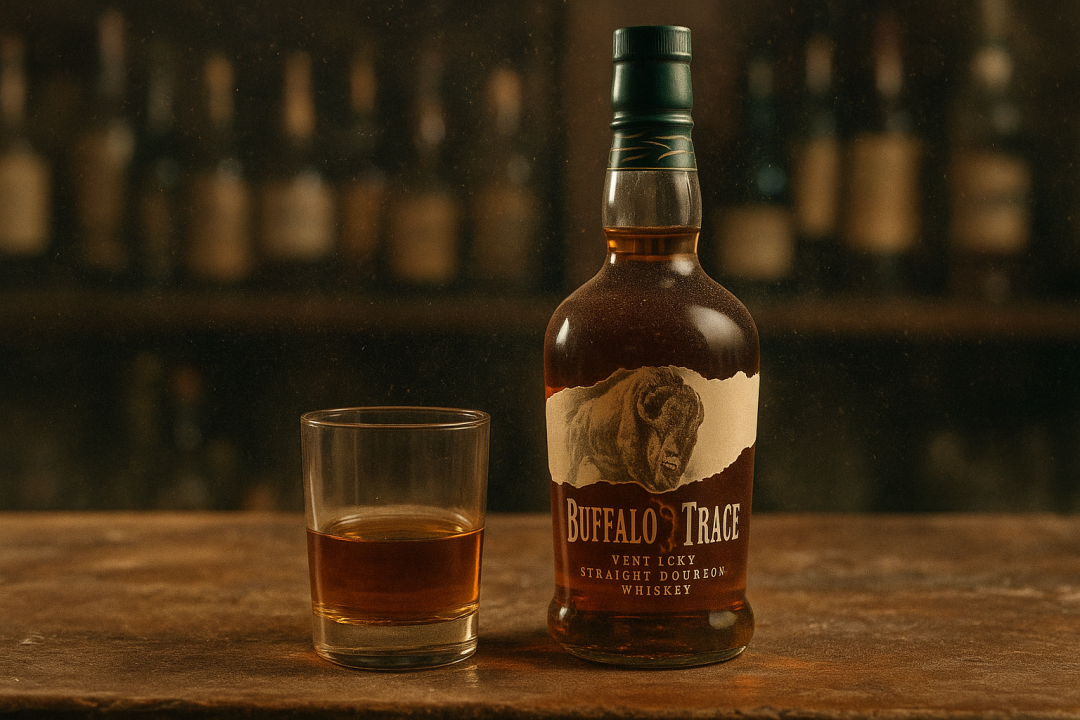
All bourbon is whiskey. Not all whiskey is bourbon. Simple as that.
Well…not quite.
All bourbon is whiskey. That’s non-negotiable. But bourbon plays by its own rulebook, and it’s stricter than most other styles.
Whiskey, broadly, is any spirit made from fermented grain that’s distilled and aged in wood. That includes Scotch, Irish whiskey, Japanese whisky, Canadian whisky, Tennessee whiskey, rye, and so on.
Bourbon is uniquely American. And not just in marketing—it’s protected by U.S. law. There are a few requirements that make it bourbon, and if a bottle doesn’t meet every one of them, it’s not bourbon. End of story.
What Is Whiskey, Really?
Here’s the difference at a glance:
| Bourbon | Whiskey (Broadly) | |
|---|---|---|
| Where | United States only | Global (Scotland, Ireland, Japan, etc.) |
| Grain | 51%+ corn | Varies: barley, rye, corn, wheat |
| Barrel | New charred American oak only | Often reused barrels |
| Flavor | Sweet, warm, vanilla, caramel, oak | Depends on the region and grain |
| Additives | None allowed | Some countries allow coloring or flavoring |
Scotch leans smoky or malty. Irish whiskey is light and easygoing. Rye is peppery and sharp. Bourbon hits with sweetness, char, and depth. It’s built different.
Whiskey is a broad category. It covers a lot of ground, both geographically and stylistically. If it’s made from fermented grain mash and aged in wood, chances are it qualifies as whiskey. What kind depends on where it’s made and how it’s handled.
A few major branches:
Scotch: Usually malted barley. Often smoky, always aged at least 3 years.
Irish Whiskey: Triple-distilled. Light, clean, easy to sip.
Japanese Whiskey: Precise and balanced. Think finesse over force.
American Whiskey: The catch-all that includes bourbon, rye, Tennessee whiskey, and more.
Each country has its own rules and flavor profiles. Bourbon just happens to have the strictest set of laws around how it’s made—and that’s part of the appeal.
What’s the Requirement to be Considered Bourbon?
Bourbon isn’t just a marketing term. It’s a legally defined category of whiskey that has to meet specific standards set by U.S. law.
Here’s what qualifies a spirit as bourbon:
- It must be made in the United States
- It has to use a mash bill that’s at least 51% corn
- It has to be distilled to no more than 160 proof
- It has to go into the barrel at 125 proof or lower
- It must age in a new, charred American oak barrel
- It cannot have any added flavoring, coloring, or additives
There’s no minimum aging requirement unless it’s labeled “straight bourbon,” in which case it needs to sit at least two years in the barrel. Four years or more and it doesn’t need an age statement.
Corn brings sweetness. The fresh charred oak adds those vanilla and caramel notes. And together, they give bourbon that big, round, full flavor it’s known for.
If for whatever reason you want to go deeper on this, are a lawyer and want the citation, check the federal standards for bourbon (27 CFR § 5.143).
“Is Jack Daniel’s a bourbon?”
Technically, yes. Legally, it meets every requirement. But Jack uses a charcoal filtering process called the Lincoln County Process before the whiskey hits the barrel. That’s what makes it “Tennessee whiskey.”
So while it’s bourbon by the letter of the law, it’s Tennessee whiskey by branding and tradition. And frankly, nobody in Lynchburg is looking to change that.
How They Taste: Bourbon vs. Whiskey
Here’s where it gets fun. While there’s a wide range of flavors depending on brand, aging, and grain, most styles lean in clear directions:
Bourbon: Sweet and full-bodied. Expect notes of caramel, brown sugar, toasted oak, and vanilla. Some spice, but always grounded by corn-driven richness.
Scotch: Can be light and grassy or deeply smoky and peaty. Depends on the region.
Irish Whiskey: Creamy, light, often fruity. Almost no barrel punch.
Rye Whiskey: Bold, dry, spicy. Think cracked pepper and menthol.
You don’t need a trained palate to notice the difference. Try sipping Buffalo Trace next to Glenfiddich and you’ll get it.
Frequently Asked Questions
What’s the difference between whiskey and bourbon?
Bourbon is a type of whiskey made in the United States with at least 51% corn in the mash bill, aged in new charred oak barrels. Whiskey is the broader category that includes Scotch, Irish whiskey, rye, and others.
Is all bourbon whiskey?
Yes. Bourbon is one specific style of whiskey, but not all whiskey qualifies as bourbon.
Is Jack Daniel’s whiskey or bourbon?
Jack Daniel’s is technically a bourbon by definition but is labeled as Tennessee whiskey because it’s filtered through charcoal before aging.
Can bourbon be made outside the United States?
No. By law, bourbon must be made in the United States to be called bourbon.
Why does bourbon taste sweeter?
The high corn content and use of brand-new charred oak barrels give bourbon a natural sweetness and fuller body.
What is the main grain in bourbon?
Corn. Bourbon has to be at least 51% corn by law.
Final Pour
So what’s the real difference between bourbon and whiskey? It’s about where it’s made, how it’s made, and what it’s made from. Bourbon follows a strict rulebook. Whiskey plays fast and loose depending on the country and the style.
Bourbon leans sweet, smooth, and bold. Other whiskeys range from smoky to spicy to grassy. There’s no wrong answer—just a matter of what you’re in the mood for.
Want to explore? Start with:
Buffalo Trace (classic bourbon)
Redbreast 12 (great Irish whiskey)
Lagavulin 16 (peat-forward Scotch)
Jack Daniel’s Single Barrel (Tennessee whiskey with character)
We also broke down The Best Bourbons for Beginners – check it out!



Leave a Reply